Category: Entertainment

  • Adeline Watkins: The Story of Ed Gein’s Alleged Girlfriend

    Adeline Watkins: The Story of Ed Gein’s Alleged Girlfriend

    Adeline Watkins was a Plainfield, Wisconsin, woman who briefly claimed a decades-long romance with Ed Gein, the Plainfield murderer and grave robber, in November 1957, only to give a substantially different account within weeks. Her story resurfaced decades later after a Netflix dramatization portrayed her connection to Gein far beyond what the historical record supports.

    Adeline Watkins told a newspaper in 1957 that she had a long-term relationship with Ed Gein. She later said she had known him for about 20 years, but that Gein called on her intermittently for about seven months after 1954, according to her own revised account. No documented evidence identified in the sources reviewed for this article connects her to his crimes.

    This article separates her original claim from her later account and from the fictionalized Netflix portrayal, places her story inside the context of the Ed Gein case, and explains why it still resurfaces in true crime coverage today.

    Key Facts About Adeline Watkins

    • Told a newspaper she had a 20-year relationship with Ed Gein in a November 1957 interview
    • Later said Gein called on her intermittently for about seven months after 1954, according to her own revised account.
    • Said Gein proposed marriage to her on February 6, 1955 – a claim that comes only from her own account
    • No documented evidence identified connects her to Gein’s crimes, and no charge against her is documented in the sources reviewed.
    • Her story originated in a newspaper interview days after Gein’s arrest
    • A 2025 Netflix dramatization significantly expands her role beyond what either of her own accounts establishes

    Who Is Adeline Watkins?

    Adeline Watkins was a real woman from Plainfield, Wisconsin, who told a newspaper she had a decades-long romance with Ed Gein shortly after his 1957 arrest, then gave a substantially revised account weeks later. Reportedly born around 1907, she was about 50 years old when Gein’s crimes made international headlines. She lived in an apartment with her widowed mother, and she said she and Gein had known each other as neighbors for roughly two decades.

    Who Was Ed Gein? Context for the Watkins Story

    Ed Gein was arrested on November 16, 1957, after hardware-store owner Bernice Worden disappeared from her Plainfield shop and investigators traced evidence to his farmhouse, where they found human remains and objects crafted from the bodies of exhumed corpses. He had also confessed to killing tavern owner Mary Hogan in 1954. These farmhouse discoveries triggered an intense media scramble for personal details about a man who had lived as a virtual recluse – the environment in which Watkins’s story emerged just days later.

    What Adeline Watkins Actually Said in 1957

    Watkins’s claims survive in direct quotes from her original newspaper interview, giving a clearer picture than paraphrased summaries. Describing her conversations with Gein, she said:

    “We talked about every murder we ever heard of. Eddie explained to me how the murderer erred and what mistakes were made. I found it fascinating.”

    On the alleged proposal, she said:

    “That night, he proposed to me. Not in so many words, but I knew what he meant. I turned him down, but not because there was anything wrong with him. It was something wrong with me.”

    She also described Gein as accommodating to a fault: “Eddie was so nice about doing things I wanted to do that sometimes I felt I was taking advantage of him.”

    Read on their own, these quotes describe a far more ordinary, low-key acquaintance than the sensational 1957 headline or later dramatizations suggest. It’s worth noting, though, that these are Watkins’s own words; no independent witness account has been identified to confirm the nature of the relationship she describes.

    Career Details and Personal Life

    Watkins is not known to have had a notable public career; available records describe her as a longtime Plainfield resident rather than a public figure with documented professional achievements. Her personal life, aside from the 1957 episode involving Gein, remains largely private and undocumented in verifiable reporting.

    There is no verified information available regarding her net worth. Her only documented public statements identified in the sources reviewed are two 1957 newspaper interviews, so no reliable financial records exist, and any figures circulating online should not be treated as factual.

    Timeline of Adeline Watkins and Ed Gein

    DateEvent
    1954Watkins later says Gein began calling on her intermittently, according to her revised account
    February 6, 1955Watkins claims Gein proposed marriage to her; she says she declined
    November 16, 1957Bernice Worden disappears from her hardware store; investigators trace evidence to Gein, who is arrested later that day
    November 1957Watkins gives the Minneapolis Tribune an interview claiming a 20-year romance with Gein
    November 21, 1957The interview is reprinted in the Wisconsin State Journal and syndicated elsewhere.re
    December 3, 1957Watkins gives a substantially different account to the Stevens Point Journal
    October 2025Netflix releases a dramatization of the Gein case featuring a fictionalized version of Watkins

    Read More: Adeline Watkins

    The Retraction: What Changed

    On December 3, 1957, Watkins told the Stevens Point Journal that her original story had been “blown up out of proportion” and contained “untrue statements.” She said she had known Gein for about 20 years, but that he called on her intermittently for only about seven months, starting after 1954. She said she had never been inside his house and rejected being called his “sweetheart,” though she maintained he was polite and quiet.

    It’s worth emphasizing that this later timeframe is Watkins’s own revised claim, not an independently confirmed account.

    What Watkins Actually Retracted

    Original Claim (Nov. 1957)Later Account (Dec. 1957)
    20-year romanceKnew Gein for about 20 years, but says he called on her intermittently for only about 7 months
    Regular datingIntermittent contact, starting after 1954
    Marriage proposalRepeated but not independently verified
    Entered his homeDenied
    “Sweetheart” relationshipRejected

    Fact vs. Fiction at a Glance

    ClaimStatus
    20-year romantic relationshipLater revised; her own follow-up account described intermittent, limited contact.t
    Marriage proposal (February 1955)Claimed by Watkins; not independently corroborated
    Entered Gein’s houseDenied by Watkins in her later account
    Knowledge of or role in crimesNo documented evidence identified in the sources reviewed
    Gein confirming the relationshipNo statement from Gein identified independently confirming her account

    Read More: Adeline Watkins

    Was She Involved in Ed Gein’s Crimes?

    No court or police record identified in the sources reviewed names Watkins as a suspect or accomplice in Gein’s crimes, and no charge against her is documented in those sources.

    The Netflix Dramatization

    Netflix’s 2025 series depicts Watkins as a much more deeply involved companion than either of her own accounts describes, including participation in grave raiding and exposure to Gein’s criminal obsessions. Netflix’s own promotional material acknowledges the real Watkins was a Plainfield resident about whom historical information is limited, while presenting a considerably more expansive fictional character. No historical source identified for this article documents Watkins participating in Gein’s crimes.

    AspectHer Own AccountsDramatized Portrayal
    Relationship lengthAbout 7 months of intermittent contact, per her later account (not independently verified)Depicted as a sustained, long-term romance
    Knowledge of crimesNo documented evidence identifiedImplied awareness and complicity
    Participation in grave robbingNo documented evidence identifiedDepicted as an active participant
    Narrative roleBrief 1957 news sourceExpanded, central supporting character

    Why This Type of Story Gets Distorted

    True crime cases involving reclusive suspects create a specific media dynamic: reporters face overwhelming public demand for personal detail but almost no primary sources willing to speak. A single named source willing to provide emotional detail, like Watkins in 1957, can become disproportionately valuable to competing newsrooms, and that account can spread before it’s fully verified – while a later correction, published with less reach, often struggles to catch up with the original story’s audience. That dynamic explains why the 20-year romance version of Watkins’s story remains far better known than her own December 1957 correction.

    Why This Story Still Resurfaces Today

    Interest in this story revived largely because of a 2025 streaming dramatization, which brought Watkins’s story to a new global audience. The more dramatic on-screen version of events has driven fresh search interest in what actually happened, illustrating how a single adaptation can revive and reshape a decades-old regional news story.

    Life After the Media Spotlight

    Verifiable information about Watkins after 1957 is limited. No reliably documented death date has been identified in the sources reviewed. Specific death dates circulating online are not corroborated by verifiable journalism and should not be treated as confirmed fact.

    The real story of Adeline Watkins comes down to two accounts from the same woman, given weeks apart, and a modern dramatization that goes well beyond either one. What’s documented is modest: a Plainfield neighbor, a disputed timeline of contact with Ed Gein, and no evidence tying her to his crimes.

    Frequently Asked Questions

    Was Adeline Watkins actually Ed Gein’s girlfriend?

    Not in the way she originally claimed. She initially described a 20-year romance in 1957, then told the Stevens Point Journal weeks later that Gein had called on her intermittently for only about seven months, starting after 1954.

    Did Ed Gein ever propose to her?

    She said he did, on February 6, 1955. This claim comes only from her original 1957 interview; no independent source has been identified to confirm or dispute it.

    Why did she revise her story?

    She said the original report was exaggerated and contained inaccuracies, saying she had known Gein for about 20 years but that their actual contact was far more limited and intermittent than the initial account suggested.

    Did police investigate her claims?

    No court or police record identified in the sources reviewed names Watkins as a suspect or accomplice, and her statements were treated as newspaper interviews rather than sworn testimony.

    Why did the media believe her initially?

    Gein’s extreme isolation meant almost no one could offer personal insight into him. A named, willing source describing a personal relationship filled that gap and was quickly circulated before it could be independently verified.

    Is the Netflix portrayal of her accurate?

    The dramatization depicts Watkins as a much more deeply involved companion, including participation in grave raiding, that isn’t supported by her own accounts or any other documented source identified for this article; it’s a fictionalized addition for the show.

    Did she know about Ed Gein’s crimes?

    No documented evidence identified addresses this either way, in her interviews or in the records reviewed.

    Did Ed Gein ever confirm knowing her?

    No statement from Gein identified in the sources reviewed independently confirms Watkins’s account.

    How did she and Ed Gein meet?

    She said they were neighbors in Plainfield, Wisconsin, having known each other for roughly two decades before Gein began calling on her, according to her later account, sometime after 1954.

    What is known about her net worth or career?

    No verified records document a public career or financial history for her. Her only documented public statements identified in the sources reviewed are two 1957 newspaper interviews.

  • Movie Theaters 2026: IMAX, Showtimes & Online Ticket Booking Guide

    Movie Theaters 2026: IMAX, Showtimes & Online Ticket Booking Guide

    Searching for movie theaters with today’s showtimes, IMAX screens, or online booking? This guide covers live showtime platforms, real theater examples by city, IMAX and Dolby comparisons, verified pricing benchmarks, and the best time to book based on actual attendance patterns.

    Best Apps for Movie Theaters

    The fastest way to find accurate showtimes is a location-aware app synced to live seat inventory, not a static search result.

    PlatformBest ForRegionRating
    BookMyShowWidest theater network in IndiaIndia4.1★ Android, 4.8★ iOS
    District (by Zomato)Premium formats – IMAX, 4DX, Dolby Atmos across PVR, INOX, CinepolisIndia4.5★ Android, 4.7★ iOS
    Paytm MoviesDedicated IMAX venue listingsIndia4.6★ Android, 4.7★ iOS
    PVR Cinemas / INOXChain-specific booking, loyalty rewardsIndia4.3★ PVR, 3.9★ INOX
    AMC TheatresLargest US exhibitor, A-List subscriptionUnited StatesOfficial chain app
    FandangoCross-chain theater directoryUnited StatesIndustry-standard aggregator

    Read More: Movie Theaters

    Check showtimes near you now on BookMyShow or District in India, or AMC and Fandango in the US – seat maps update live as bookings come in.

    A Live Showtime Listing

    Here’s how a typical showtime block looks in practice, drawn from an actual listing for Spider-Man: Brand New Day at PVR Select City Walk, Saket, New Delhi:

    • 02:40 PM – Recliners (3D)
    • 03:45 PM / 04:45 PM – Gold (3D)
    • 06:50 PM – Gold
    • 07:50 PM / 08:50 PM – Gold / Recliners (3D)
    • 09:55 PM / 10:55 PM / 11:55 PM – Gold / Recliners (3D)

    Seat tier – Gold, Recliner – is shown next to each showtime, so you can filter for comfort level before opening the seat map. This same layout pattern appears across PVR, INOX, and Cinepolis listings on most major booking apps.

    How to Book Movie Tickets Online

    Booking follows the same core sequence across nearly every major platform:

    1. Select your city – theaters load based on location.
    2. Choose your movie – the app lists every theater in your city currently screening it.
    3. Pick a theater and showtime.
    4. Select seats from the live seat map – booked seats appear grayed out.
    5. Complete payment to receive your digital ticket and QR code.

    Book tickets now for weekend shows – Gold and Recliner categories on post-6 PM slots sell out first.

    Best Time to Book Movie Tickets

    Friday and Saturday consistently see the highest ticket sales, while Tuesday is the weakest day industry-wide – Friday alone captures roughly 16% of weekly ticket sales, with Saturday close behind. Evening slots, especially around 7 PM, are the single busiest hour for bookings.

    Most cinema chains open bookings one to ten days before release, though highly anticipated films sometimes open bookings weeks earlier. If you want a specific seat category for a major release, book two to three days ahead; for regular releases, a few hours ahead is usually enough.

    The cheapest, least crowded time to watch a movie is a weekday matinee, typically Tuesday through Thursday afternoon – evening and weekend shows carry both higher demand and higher prices.

    Movie Theaters by City

    Delhi NCR

    IMAX and premium-format screens are concentrated in major malls: PVR Select City Walk (Saket), PVR Priya (Vasant Vihar), PVR Vegas Mall (Dwarka), INOX Paras (Nehru Place), and PVR Ambience Mall (Gurugram).

    Mumbai

    Premium-format theaters include PVR ICON Phoenix Palladium (Lower Parel), INOX R-City Mall (Ghatkopar), INOX EROS in Churchgate – the city’s first standalone IMAX with Laser, opened in 2024 – and Miraj Cinemas IMAX in Wadala, home to one of India’s largest IMAX screens.

    Bengaluru

    Options with premium formats include PVR VR Mall, PVR Vega City, PVR Nexus Mall, INOX Mantri Square, and Cinepolis Shantiniketan.

    New York (Global Reference)

    For readers comparing international markets, AMC Empire 25 in Times Square and multiple AMC locations across the boroughs are bookable via the AMC app or Fandango.

    India currently has 34 functional IMAX screens spread across Delhi NCR, Mumbai, Bengaluru, Chennai, Hyderabad, Pune, Kolkata, Ahmedabad, and several other cities.

    IMAX vs Dolby Cinema vs 4DX vs ScreenX

    IMAX offers the largest screen, Dolby Cinema leads on picture contrast and audio precision, 4DX adds physical motion effects, and ScreenX extends the picture onto side walls for a panoramic view.

    FormatCore TechnologyBest ForApprox. Price Range (India)
    IMAX with Laser4K laser projection, up to 29m screen width, 12-channel audioBlockbusters, visually epic films₹600–900
    IMAX DigitalStandard IMAX projection, 15–20m screenWide releases without laser upgrade₹450–700
    Dolby CinemaDolby Vision laser projection, Dolby Atmos audioFilms prioritizing sharpness and audio detail₹450–750
    4DXMotion seats, wind, water, scent effects synced to filmAction, disaster, thrill films₹500–900

    Read More: Movie Theaters

    These ranges are indicative benchmarks for major Indian metro multiplexes; actual pricing varies by city, seat tier, film, and day of the week.

    Why Are IMAX and Premium Tickets More Expensive?

    An IMAX screen costs roughly $1 million to install versus about $100,000 for a standard screen, and full IMAX auditorium builds run $3–10 million against $2–5 million for conventional setups. Combined with ongoing licensing fees charged to exhibitors, this pushes premium-format ticket prices 50–100% higher than standard screenings in many markets.

    How to Get Cheaper Movie Tickets

    • Book weekday matinees – priced 20–35% lower than evening slots in most markets.
    • Join a free loyalty program through PVR, INOX, AMC, or Cineworld for member pricing.
    • Check for fixed discount days – several chains run a set weekly discount slot.
    • Choose standard 2D over IMAX or 4DX when visual scale isn’t essential to the film.
    • Use bank, telecom, student, or senior discounts where available.

    Frequently Asked Questions

    Which app is best for booking movie tickets in India?

    BookMyShow leads in overall coverage and app ratings, while District is strongest for premium-format bookings – IMAX, 4DX, Dolby Atmos – across PVR, INOX, and Cinepolis. Paytm Movies is a solid alternative with detailed IMAX listings. The right choice usually depends on which app shows the most complete listing for your specific city, so it’s worth comparing two before committing to one for regular use.

    Why are IMAX tickets more expensive than standard tickets?

    IMAX screens cost roughly ten times more to build than standard screens, and exhibitors also pay ongoing licensing fees to IMAX. This combination pushes ticket prices 50–100% higher than standard screenings in many markets. The exact premium depends on the city, the theater chain, and whether the venue runs IMAX with Laser or the older digital IMAX setup.

    What day and time has the lowest ticket demand?

    Tuesday consistently shows the lowest sales industry-wide, and weekday matinee slots see far less demand than weekend evenings. This is also why many chains schedule their fixed discount pricing specifically on Tuesdays or midweek afternoons – theaters use lower pricing to fill seats during naturally quieter periods rather than leaving auditoriums empty.

    How far in advance can I book movie tickets?

    Most chains open booking one to ten days before a film’s release, though highly anticipated titles sometimes open weeks earlier. For guaranteed premium-format seats – IMAX, Dolby Cinema, 4DX – on a major release, booking two to three days ahead is generally the safer window, since these categories sell out fastest for opening-weekend evening shows.

    How many IMAX screens are there in India right now?

    India currently has 34 functional IMAX screens across major cities including Delhi NCR, Mumbai, Bengaluru, Chennai, Hyderabad, and Pune. Mumbai and Delhi NCR hold the largest concentrations, reflecting audience demand in India’s two biggest metro markets, though the count continues to grow as chains expand into tier-2 cities.

    What’s the difference between 4DX and ScreenX?

    4DX adds physical effects – moving seats, wind, water spray, and scents – synced to on-screen action, creating sensory immersion beyond sight and sound. ScreenX instead extends the picture onto the side walls of the auditorium for a 270-degree field of view without requiring 3D glasses. One format adds physical sensation; the other adds visual width, so the better choice depends on whether you prefer motion or scale.

    Is Dolby Cinema better than IMAX?

    Neither is universally better – IMAX offers a larger screen and greater visible image area, while Dolby Cinema focuses on superior contrast, color accuracy through Dolby Vision, and object-based Dolby Atmos audio. Choose IMAX for sheer scale on visually epic films; choose Dolby Cinema when picture sharpness and audio precision matter more than screen size for the specific film you’re watching.

    How do seat categories like Gold and Recliner affect pricing?

    Indian multiplexes tier pricing by seat category shown alongside the showtime – Gold and Recliner seats cost more than standard or Executive seating, with Recliners usually the most expensive due to larger seats and fewer rows per screen. Checking the seat map before booking lets you compare categories directly rather than assuming a flat ticket price applies across the auditorium.

    Do all theaters in a city carry the same premium formats?

    No – IMAX, 4DX, ScreenX, and Dolby Cinema installations vary by individual theater, even within the same chain and city. In Delhi, IMAX screens are concentrated at specific venues like PVR Priya and INOX Paras, while nearby branches of the same chain may only offer standard or 3D formats. Always filter by format on the booking platform rather than assuming uniform availability across a city.

    What should I check before choosing between two nearby theaters showing the same film?

    Compare format availability, seat category options, showtime spacing, and current app ratings for cleanliness and service quality. For premium-format films, format availability usually matters more than which theater is marginally closer, since a slightly farther venue with the right format often delivers a better overall experience.

    Can I use loyalty points from one theater chain at a different chain?

    No – loyalty programs are chain-specific, and points earned through PVR, INOX, AMC, or Cineworld cannot transfer to a competing chain. If you regularly alternate between chains depending on convenience or location, joining multiple free loyalty programs is still worthwhile, since membership itself typically costs nothing and each program still rewards frequent visits independently.

  • The Sixth Sense: Plot, Cast, Twist Ending & Meaning Explained

    The Sixth Sense: Plot, Cast, Twist Ending & Meaning Explained

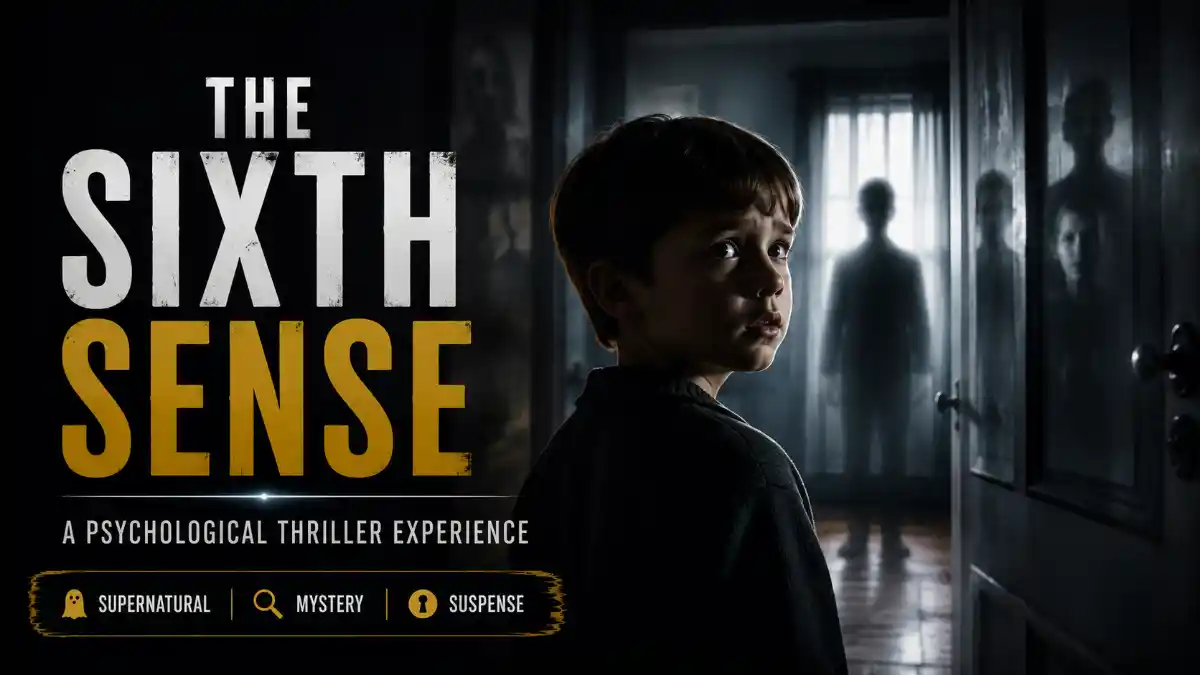
    The Sixth Sense is a 1999 psychological thriller written and directed by M. Night Shyamalan, starring Bruce Willis as child psychologist Dr. Malcolm Crowe and Haley Joel Osment as Cole Sear, a nine-year-old boy who says he can see and speak to the dead. As Malcolm tries to help Cole understand his ability, the film builds toward a twist ending that recontextualizes everything that came before it.

    Released on August 6, 1999, the film grossed $672.8 million worldwide against a $40 million budget, making it the second-highest-grossing film of that year. It received six Academy Award nominations, including Best Picture, and remains one of the most discussed twist-ending films in modern cinema.

    This guide covers the plot of The Sixth Sense, its twist ending, the clues that support it, the cast and characters, its themes, and its production and reception. Spoilers for the ending are marked clearly before the reveal.

    Quick Facts

    DetailInformation
    Release dateAugust 6, 1999
    DirectorM. Night Shyamalan
    GenrePsychological/supernatural thriller
    Lead castBruce Willis, Haley Joel Osment, Toni Collette
    SettingPhiladelphia
    Runtime1 hr 47 min
    Budget$40 million
    Worldwide box office$672.8 million

    Read More: The Sixth Sense

    What Is The Sixth Sense About?

    The Sixth Sense follows child psychologist Malcolm Crowe as he treats Cole Sear, a withdrawn boy who is secretly terrified because he sees and communicates with the dead. Malcolm, still shaken after a former patient blamed him for failing to help him, sees Cole’s case as a chance for redemption. As Malcolm earns Cole’s trust, the boy begins to open up about his ability and about ghosts who appear to him with unfinished business.

    The story is set in Philadelphia and unfolds as a psychological drama rather than a conventional horror film, building tension through atmosphere and character rather than shock effects. This restraint sets up the twist covered later in this guide, and it is part of why the film continues to be studied as a benchmark for the modern psychological thriller.

    Plot Summary

    How the Story Begins

    Malcolm Crowe, a child psychologist, is celebrating a career honor with his wife Anna when a former patient, Vincent Grey, breaks into their home. Vincent accuses Malcolm of failing to help him years earlier, and the confrontation turns violent. This opening scene, though brief, sets the entire narrative in motion and is essential to understanding the twist that follows much later in the film.

    Malcolm Takes On Cole’s Case

    The following autumn, Malcolm begins treating Cole Sear, a boy who reminds him of Vincent. Cole is isolated at school, hides unexplained marks on his body, and is visibly frightened of something he won’t name. His mother, Lynn, is increasingly worried and unsure how to help him, and her scenes throughout the film quietly track a parent trying to reach a child who won’t explain what’s wrong.

    Cole’s Secret

    Cole eventually tells Malcolm that he sees dead people who don’t know they’re dead. Malcolm initially suspects a psychological disorder, but a discovery involving an old therapy recording convinces him Cole is telling the truth. He advises Cole to listen to what the ghosts want instead of fearing them, a shift in approach that becomes the emotional turning point of the film’s middle act.

    The Kyra Collins Case

    Cole encounters the ghost of Kyra Collins, a girl who died after a long illness. Following her guidance, he retrieves a videotape that reveals her mother had been poisoning her, evidence that protects Kyra’s younger sister from the same fate. This subplot shows that Cole’s ability, however frightening, can also help people, and it functions as proof within the story that his gift has genuine purpose rather than being purely a curse.

    Cole Opens Up to His Mother

    Gaining confidence, Cole lands the lead role in his school play. He then tells Lynn his secret, proving it by describing details about her own childhood that he could only know if a deceased relative had shared them with him. Lynn’s disbelief turns to acceptance, repairing their relationship and giving Cole, for the first time in the film, an ally who fully understands what he’s dealing with.

    The Twist Ending Explained

    Spoiler warning: this section reveals the film’s ending.

    The twist is that Malcolm Crowe has been dead since the film’s opening scene. Vincent’s gunshot killed him, and Malcolm spends the rest of the story as a ghost, unaware of his own death, believing he is simply continuing his work and his marriage.

    Before parting ways, Cole suggests Malcolm try speaking to Anna while she sleeps, so she might hear him on some level. Malcolm returns home to find Anna watching their wedding video before falling asleep. She murmurs, asking why he left her. When she drops his wedding ring, Malcolm notices it isn’t on his own hand. Recalling Cole’s earlier comment that the dead often see only what they want to see, Malcolm checks his side and finds the gunshot wound from Vincent’s attack.

    He realizes he never survived that night. Malcolm tells the sleeping Anna that she was never “second” to anything in his life and that he loves her. Her expression relaxes, which the film presents as a sign that she can begin to let go, and Malcolm’s spirit departs in a flash of light.

    What the Ending Actually Means

    Beyond the literal reveal, the ending resolves the film’s emotional core. Malcolm’s guilt over failing Vincent and his inability to reach Anna as their marriage grew distant are both addressed through his work with Cole. Helping Cole accept his ability appears to allow Malcolm to accept his own death, and his final words to Anna give her a form of closure. The ending recontextualizes the preceding story as one about unresolved grief and connection rather than a conventional ghost story.

    This is also why the film rewards a second viewing more than most thrillers with a major twist. Once the audience knows Malcolm is dead, scenes that initially read as ordinary drama, such as his strained interactions with Anna or his patience with Cole, take on a different emotional weight. The film isn’t simply hiding information; it’s asking the audience to reinterpret a relationship they thought they already understood.

    Clues Malcolm Was Dead All Along

    Shyamalan structured the film around misdirection that becomes visible on a second viewing. Key clues include:

    ClueWhat HappensWhy Viewers Miss It
    Restaurant sceneAnna does not respond to Malcolm and appears distant toward himReads as marital tension rather than an inability to hear him
    Wedding ringMalcolm is not wearing it in the final sceneAn easy visual detail to overlook on first viewing
    Cole’s abilityCole speaks to Malcolm directly and naturallyMakes Malcolm appear to be simply another adult in the room
    Other adultsNo other adult character directly engages Malcolm in conversationThe absence is easy to miss without a second viewing
    Malcolm’s wardrobeHe wears the same coat, sweater, and suit layers throughoutCan be mistaken for ordinary continuity rather than a clue
    Color redAppears at several moments connected to the supernatural elements of the storyUsed sparingly enough to avoid conscious notice on a first viewing

    Read More: The Sixth Sense

    The recurring use of red in scenes involving Cole’s encounters with the dead, such as the church door and the tent where he meets Kyra’s ghost, has been widely discussed by film critics as a visual motif linking specific objects and settings to the supernatural elements of the story. Taken together, these clues form a coherent second narrative running underneath the surface plot, which is part of why the film is frequently cited as a model for how to plant a twist fairly.

    Cast and Characters

    CharacterActorRole in the Story
    Dr. Malcolm CroweBruce WillisChild psychologist who dies at the film’s opening and spends the story unaware he is a ghost
    Cole SearHaley Joel OsmentNine-year-old boy who can see and communicate with the dead
    Lynn SearToni ColletteCole’s single mother, worried about his behavior and secrets
    Anna CroweOlivia WilliamsMalcolm’s grieving wife, whom he struggles to reach after his death
    Vincent GreyDonnie WahlbergFormer patient of Malcolm’s whose confrontation leads to Malcolm’s death
    Kyra CollinsMischa BartonDeceased child ghost whose case exposes her mother’s poisoning
    Dr. HillM. Night ShyamalanBrief cameo role as another psychologist

    Haley Joel Osment received an Academy Award nomination for Best Supporting Actor for his performance, and Toni Collette received an Academy Award nomination for Best Supporting Actress. Osment’s line “I see dead people” is ranked No. 44 on AFI’s list of the 100 greatest movie quotes. Both performances are frequently cited as central to the film’s emotional credibility, since the twist only works if the audience fully believes in the relationships on screen beforehand.

    Themes and Symbolism

    Unfinished Business and the Afterlife

    The film portrays its ghosts as bound to the living world by unresolved grief, guilt, or trauma. Vincent, Kyra, and Malcolm are each held back by something left unsaid or undone, and Cole’s ability becomes the means through which several of them find resolution.

    Guilt and Redemption

    Malcolm’s arc is driven by guilt over failing Vincent. His commitment to Cole’s case, despite the disturbing parallel, can be read as a search for redemption that he achieves only after death, without consciously recognizing it until the final scene.

    Isolation and Being Believed

    Cole’s arc reflects the experience of being disbelieved and isolated for something outside his control. His relief once Malcolm and then Lynn believe him speaks to a theme that extends beyond the film’s supernatural premise, and it’s a large part of why the film resonates with viewers who have never experienced anything supernatural themselves.

    Production Background

    Disney acquired M. Night Shyamalan’s spec script for The Sixth Sense in a deal that also secured his position as director, after then-president of production David Vogel championed the project without full corporate approval. Reported figures for the deal vary by source, ranging from approximately $2.25 million to $3 million. Vogel’s unauthorized purchase is widely reported in entertainment trade coverage to have contributed to his departure from Disney shortly afterward.

    Bruce Willis joined the project after an earlier film he was attached to, Broadway Brawler, was shelved. The movie was filmed largely in Philadelphia, with cinematography by Tak Fujimoto and editing by Andrew Mondshein, both of whom received award recognition for their work on the film, including an Academy Award nomination for Mondshein’s editing.

    Reception, Awards and Legacy

    As of this writing, the film holds an 86% critics score on Rotten Tomatoes. It received six Academy Award nominations, including Best Picture, Best Director, Best Original Screenplay, and Best Film Editing, and four BAFTA nominations, including Best Film, but won none of these. It did win the Nebula Award for Best Script, an award given by the Science Fiction and Fantasy Writers Association.

    The film’s commercial performance and twist ending are widely credited in film criticism with shaping M. Night Shyamalan’s subsequent career as a director closely associated with the genre, and it remains a frequent reference point in discussions of how to structure a mystery around a concealed narrator.

    Frequently Asked Questions

    Is The Sixth Sense based on a true story?

    No. The Sixth Sense is an original screenplay written by M. Night Shyamalan. It is not based on real events, though it explores themes of grief and unresolved trauma that give the story emotional grounding beyond its supernatural premise.

    Did Anna know Malcolm was dead?

    The film leaves this ambiguous. Anna never consciously acknowledges Malcolm’s presence, but her sleep-talking suggests she may sense him on some level, and her calm expression after he speaks to her can be interpreted as a form of closure, even if she never learns the literal truth.

    What does the color red symbolize in the film?

    Red appears at several moments connected to Cole’s encounters with the dead. Film critics have widely discussed this as a visual motif linking specific scenes to the supernatural elements of the story, though there is no single definitive statement from the filmmakers explaining every use of the color.

    Did The Sixth Sense win any Academy Awards?

    No. Despite six nominations, including Best Picture and Best Director, the film did not win any Oscars. It did win the Nebula Award for Best Script and received strong recognition across critics’ groups during its awards season run.

    Is The Sixth Sense a horror movie?

    It is generally classified as a psychological thriller with supernatural elements rather than a conventional horror film. Its tension comes primarily from atmosphere and character drama rather than graphic violence or jump scares, which sets it apart from many ghost-themed films released around the same time.

    What does the title “The Sixth Sense” refer to?

    The title refers to Cole’s ability to see and communicate with the dead, beyond the five ordinary human senses, a gift the film portrays as both a burden and a source of purpose once he learns to use it to help others.

    How did Malcolm Crowe die?

    Malcolm was shot by Vincent Grey, a former patient who broke into his home and blamed him for failing to treat him years earlier. The wound proves fatal, though Malcolm does not realize this until the film’s final scene.

    Why can only Cole see Malcolm?

    Because Malcolm is a ghost, and Cole’s ability allows him to perceive and communicate with the dead. Other characters in the film cannot see or interact with Malcolm because they lack this ability, which is why he never directly engages with anyone else after the shooting.

    Is there a sequel to The Sixth Sense?

    No official sequel was produced. The film functions as a self-contained story, and its ending is generally regarded as complete rather than open to continuation.

    What age rating does The Sixth Sense have?

    The film was rated PG-13 for its thematic material and some disturbing content. Parents considering the film for younger viewers should be aware of its tense atmosphere and scenes involving violence and grief.

  • Naruto Character: Complete List of Names, Powers, Roles & Abilities

    Naruto Character: Complete List of Names, Powers, Roles & Abilities

    Naruto’s world spans five major villages and hundreds of shinobi, but a core group of characters drives the story: Team 7, the Hokage lineage, the Legendary Sannin, the tailed-beast jinchūriki, and the Akatsuki. The main characters in Naruto are Naruto Uzumaki, Sasuke Uchiha, Sakura Haruno, and Kakashi Hatake, who form Team 7. Other pivotal figures include Gaara, Hinata Hyuga, Shikamaru Nara, Jiraiya, Tsunade, Itachi Uchiha, Pain, Obito Uchiha, and Madara Uchiha. This guide organizes the series’ most important characters by team, village, clan, and role, so you can quickly identify who’s who and how they connect.

    Naruto Character List: Quick-Reference Table

    This table identifies each Character’s affiliation, role, and signature ability at a glance before you read the detailed sections below.

    CharacteVillage/GroupRoleSignature Ability
    Naruto UzumakiKonoha / Team 7Protagonist, Seventh HokageShadow Clone Jutsu, Rasengan, Sage Mode
    Sasuke UchihaKonoha / Uchiha clanDeuteragonistSharingan, Rinnegan, Chidori
    Sakura HarunoKonoha / Team 7Medical ninjaMedical ninjutsu, chakra-enhanced strength
    Kakashi HatakeKonoha / Team 7Mentor, Sixth HokageSharingan, Lightning Blade
    GaaraSunagakureFifth KazekageSand manipulation, former Shukaku jinchūriki
    Hinata HyugaKonoha / Hyuga clanTeam 8 kunoichiByakugan, Gentle Fist
    Shikamaru NaraKonoha / Nara clanStrategistShadow Possession Jutsu
    Rock LeeKonoha / Team GuyTaijutsu specialistEight Gates, Front Lotus
    Might GuyKonoha / Team GuyJonin senseiEight Gates, Daytime Tiger
    JiraiyaKonoha / SanninNaruto’s mentorSage Mode, toad summoning
    OrochimaruFormerly Konoha / SanninRecurring antagonistSnake summoning, forbidden jutsu
    TsunadeKonoha / SanninFifth HokageMedical ninjutsu, superhuman strength
    Itachi UchihaKonoha, later AkatsukiMajor supporting antagonist, tragic antiheroMangekyo Sharingan, Amaterasu
    Pain (Nagato)AkatsukiPublic leaderRinnegan, six-body control
    Obito UchihaAkatsukiHidden mastermindSharingan, Rinnegan, Kamui
    Madara UchihaKonoha / Uchiha clanLegendary Uchiha leader, ideological origin of Akatsuki’s planRinnegan, Susanoo
    Kisame HoshigakiAkatsukiSwordsmanSamehada, Water Shark Bomb
    Kabuto YakushiOtogakure associationMedical-ninja antagonistSnake-based enhancements

    Read More: Naruto Character

    Team 7 and the Konoha Genin Teams

    Team 7 consists of Naruto Uzumaki, Sasuke Uchiha, and Sakura Haruno, led by jonin sensei Kakashi Hatake. This squad’s internal dynamics anchor the entire franchise, and it later expands to include Sai and Yamato after Sasuke departs from Konoha.

    Naruto Uzumaki. Affiliation: Konohagakure, Team 7. Role: series protagonist; becomes the Seventh Hokage. Key abilities: Shadow Clone Jutsu, Rasengan, Sage Mode, and partial control over Kurama’s chakra. Why he matters: Naruto is the jinchūriki of the Nine-Tailed Fox, and his arc from ostracized outcast to village leader drives the story’s central themes of perseverance and acceptance.

    Sasuke Uchiha. Affiliation: Konoha, Uchiha clan. Role: deuteragonist and Naruto’s central rival. Key abilities: Sharingan, later Rinnegan, Chidori, Curse Mark techniques. Why he matters: as one of the last surviving members of the Uchiha clan, Sasuke’s pursuit of revenge against Itachi and his later search for the truth behind the Uchiha massacre shape major story arcs across both series, including his defection from Konoha and eventual reconciliation.

    Sakura Haruno. Affiliation: Konoha, Team 7. Role: medical ninja and combat support. Key abilities: advanced medical ninjutsu and chakra-enhanced strength learned under Tsunade. Why she matters: Sakura’s growth from a support-focused genin to a capable frontline medic is one of the clearer examples of character development in the series.

    Kakashi Hatake. Affiliation: Konoha, Team 7 sensei. Role: mentor, later Sixth Hokage. Key abilities: Sharingan, inherited from Obito Uchiha, and Lightning Blade. Why he matters: Kakashi’s tactical leadership and hidden backstory with Obito connect Team 7’s story to the series’ larger Uchiha-related plotlines.

    Other Konoha Genin Teams

    Team 8: Shino Aburame, Hinata Hyuga, and Kiba Inuzuka, led by Kurenai Yuhi. This team specializes in tracking and sensory ninjutsu.

    Team 10: Shikamaru Nara, Choji Akimichi, and Ino Yamanaka, led by Asuma Sarutobi. Their combined clan techniques make them one of the strongest coordinated squads in the series.

    Team Guy: Rock Lee, Neji Hyuga, and Tenten, led by Might Guy. Neji, a Hyuga branch-family member, wields the Byakugan alongside precise taijutsu, and this team is built around close combat and weapon mastery rather than ninjutsu or genjutsu.

    Major Characters by Village

    Konoha dominates the story, but every major hidden village contributes important figures to the wider plot.

    VillageImportantCharacterss
    KonohagakureNaruto, Sasuke, Sakura, Kakashi, Hinata, Shikamaru, Neji, Sai, Yamato
    SunagakureGaara, Temari, Kankuro
    KirigakureMei Terumi, Zabuza Momochi, Haku
    KumogakureKiller B, Fourth Raikage (A)
    IwagakureOnoki, Deidara

    Zabuza Momochi and his young companion Haku appear early in the original series as Kirigakure missing-nin, and their story is often cited as one of the first arcs to give Naruto meaningful emotional depth. Onoki, the Third Tsuchikage, and the Fourth Raikage both play major roles as village leaders during the Fourth Great Ninja War.

    Major Konoha Clans

    Naruto’s clans define much of a character’s inherited abilities and social standing within Konoha.

    • Uchiha clan – known for the Sharingan; nearly wiped out in a clan massacre carried out by Itachi Uchiha. Notable members: Sasuke, Itachi, Obito, Madara.
    • Hyuga clan – wields the Byakugan, a dojutsu granting near-360-degree vision. Notable members: Hinata, Neji.
    • Uzumaki clan – known for exceptional chakra reserves and longevity. Naruto and his mother, Kushina Uzumaki, belong to this clan.
    • Senju clan – founded Konohagakure alongside the Uchiha; produced the First and Second Hokage, Hashirama and Tobirama Senju.
    • Nara, Akimichi, and Yamanaka clans – form the “Ino-Shika-Cho” trio, combining shadow-based, expansion, and mind-control techniques in coordinated formations.
    • Aburame and Inuzuka clans – specialize in insect-based and canine-partnered combat, forming the backbone of Team 8.

    The Hokage: Konoha’s Leaders

    Konoha has had seven Hokage across the main timeline: Hashirama Senju (First), Tobirama Senju (Second), Hiruzen Sarutobi (Third), Minato Namikaze (Fourth), Tsunade (Fifth), Kakashi Hatake (Sixth), and Naruto Uzumaki (Seventh). Minato Namikaze, Naruto’s father, sacrificed himself while sealing Kurama inside his newborn son, a revelation that reframes much of the story’s early mystery. Hashirama Senju’s founding partnership with the Uchiha clan and Hiruzen Sarutobi’s mentorship of the three Sannin both shape the political backdrop for later conflicts.

    The Legendary Sannin

    Jiraiya, Orochimaru, and Tsunade were once teammates trained by Hiruzen Sarutobi, and each took a dramatically different path afterward.

    • Jiraiya – a prolific author and toad-summoning sage who mentors Naruto directly, shaping much of his early growth.
    • Orochimaru – defects from Konoha to pursue forbidden jutsu and immortality; later trains Sasuke and repeatedly reappears as an antagonist.
    • Tsunade – becomes the Fifth Hokage and trains Sakura in medical ninjutsu, combining leadership with battlefield medicine.

    The Nine-Tailed Beasts and Their Jinchūriki

    A jinchūriki is a person who has one of the nine-tailed beasts sealed within them, granting immense chakra reserves at the cost of social stigma and personal danger. The table below covers all nine beasts and their most story-relevant hosts.

    Tailed BeastTailsPrimary JinchūrikiVillage
    ShukakuOne-TailGaaraSunagakure
    MatatabiTwo-TailsYugito NiiKumogakure
    IsobuThree-TailsYaguraKirigakure
    Son GokūFour-TailsRoshiIwagakure
    KokuōFive-TailsHanIwagakure
    SaikenSix-TailsUtakataKirigakure
    ChōmeiSeven-TailsFuTakigakure
    GyūkiEight-TailsKiller BKumogakure
    KuramaNine-TailsNaruto UzumakiKonohagakure

    Naruto and Kurama share an initially antagonistic sealed relationship that evolves into a genuine partnership central to Naruto’s late-series power growth. Gaara initially struggles with Shukaku’s influence but gradually gains greater control over his own abilities and emotions; he becomes the Fifth Kazekage before the Akatsuki later captures him and extracts Shukaku. Killer B maintains one of the most cooperative jinchūriki-beast relationships in the series and mentors Naruto in achieving similar harmony with Kurama.

    The Akatsuki’s overarching goal throughout Shippuden is capturing all nine-tailed beasts, which puts every jinchūriki, including Gaara and Killer B, in direct danger.

    The Akatsuki: Leadership and Full Roster

    The Akatsuki’s leadership is layered rather than singular. Yahiko originally founded the organization with Nagato and Konan; after Yahiko’s death, Nagato operated publicly as Pain, while Obito Uchiha manipulated Nagato from the shadows and directed the group’s true agenda. Madara Uchiha’s Eye of the Moon Plan was the original blueprint Obito was carrying out. This chain clarifies who actually held control at each stage, rather than attributing leadership to one figure alone.

    MemberPartnerSignature AbilityStory Role
    Pain (Nagato)KonanRinnegan, six-body controlPublic leader
    KonanPain/NagatoPaper-based ninjutsuCo-founder, later defects
    Itachi UchihaKisame HoshigakiMangekyo Sharingan, AmaterasuMajor supporting antagonist, tragic antihero
    Kisame HoshigakiItachi UchihaSamehada, Water Shark BombSwordsman
    DeidaraSasori, later TobiExplosive clay bombsIwagakure missing-nin
    SasoriDeidaraPuppet manipulationSunagakure missing-nin
    HidanKakuzuCurse-based immortalityJashin cult member
    KakuzuHidanStitched body, multiple heartsTakigakure missing-nin
    Zetsu (Black/White)IndependentPlant-based cloning, espionageSpy and clone producer
    Obito UchihaZetsuSharingan, Rinnegan, KamuiHidden mastermind

    Orochimaru is sometimes associated with the Akatsuki’s early years but operates independently for most of the series, focused on his own experiments and Sasuke’s training. Kabuto Yakushi, Orochimaru’s chief aide with ties to Otogakure, later becomes a significant threat in his own right through reanimation jutsu.

    Kaguya Otsutsuki appears as the final major antagonist of Naruto Shippuden. She is an ancient Otsutsuki associated with the origin of chakra in the ninja world, and she is often placed at or near the top of strongest-character discussions because of her reality-altering abilities. Power comparisons involving Kaguya, Hagoromo, and Madara vary across fan and analyst rankings, so this reflects a commonly cited position rather than settled canon fact.

    Naruto Female Characters and Their Roles

    Female characters hold pivotal combat and narrative roles throughout the series rather than purely supporting positions.

    • Tsunade – Fifth Hokage and master of medical ninjutsu who trains Sakura and Shizune.
    • Sakura Haruno – develops the Byakugou (Strength of a Hundred Seal) during the war arc, significantly increasing her combat capability.
    • Hinata Hyuga – a Byakugan user and Gentle Fist practitioner from the Hyuga clan’s main branch.
    • Konan – an original Akatsuki co-founder with paper-based ninjutsu who later turns against the organization to protect Konoha.
    • Mei Terumi – the Fifth Mizukage, skilled across multiple elemental ninjutsu types.
    • Temari – Gaara’s older sister and a wind-style specialist from Sunagakure.
    • Ino Yamanaka – Team 10 member specializing in the Mind Body Switch Technique, later expanding into medical ninjutsu.
    • Kushina Uzumaki – Naruto’s mother and a former Kurama jinchūriki, whose Uzumaki clan heritage shapes Naruto’s own chakra reserves.

    How the Main Characters Connect

    A few relationship chains make it easier to follow the series’ mentorship and rivalry structure.

    • Naruto → Jiraiya → Minato → Kakashi: Naruto is mentored by Jiraiya, who previously trained Minato Namikaze, Naruto’s father and the Fourth Hokage; Kakashi, Minato’s own student, later becomes Naruto’s team leader.
    • Sasuke → Itachi → Uchiha clan → Obito/Madara: Sasuke’s arc begins with Itachi’s clan massacre and eventually connects to the larger Uchiha history involving Obito and Madara’s shared goals.
    • Team 7 → Team 8 / Team 10 / Team Guy: all four genin teams graduate around the same time and repeatedly cross paths during the Chunin Exams and the Fourth Great Ninja War.

    Naruto Terminology Glossary

    • Genin – entry-level ninja rank, typically assigned to three-person squads with a jonin sensei.
    • Chūnin – mid-level rank earned after passing the Chunin Exams, qualifying a ninja to lead missions.
    • Jonin – elite rank held by experienced ninja, often serving as team leaders or village officials.
    • Kage – the title given to the leader of a hidden village, such as Hokage for Konoha or Kazekage for Sunagakure.
    • Kunoichi – a female ninja.
    • Jinchūriki – a person who hosts one of the nine-tailed beasts.
    • Dōjutsu – an eye-based kekkei genkai, such as the Sharingan, Byakugan, or Rinnegan.

    Frequently Asked Questions

    Who is the main character in Naruto?

    Naruto Uzumaki is the protagonist, a Konoha ninja who houses the Nine-Tailed Fox and eventually becomes the Seventh Hokage. His growth from an ostracized orphan to the village’s respected leader anchors the entire storyline and defines the emotional throughline of both the original series and its sequel.

    What is Team 7, and who are its members?

    Team 7 is the genin squad made up of Naruto Uzumaki, Sasuke Uchiha, and Sakura Haruno, led by Kakashi Hatake. This team’s internal rivalries and bonds, especially between Naruto and Sasuke, drive most of the series’ major arcs, and the squad later expands to include Sai and Yamato.

    Is Kaguya really the strongest character in the series?

    Kaguya Otsutsuki is frequently placed at or near the top of power discussions because of her chakra-based, reality-altering abilities, but this reflects fan and analyst consensus rather than an official in-universe ranking. Characters like Hagoromo and Madara are also commonly included in top-tier comparisons depending on the criteria used.

    What is the difference between the original series and Shippuden?

    The original series follows the characters as pre-teen genin, while the sequel picks up two and a half years later with a more mature cast confrontinmore seriouser threats like the Akatsuki. The later arcs introduce most of the franchise’s major antagonists and expand the story’s political scope well beyond Konoha.

    Who founded and led the Akatsuki?

    The Akatsuki was originally founded by Yahiko, Nagato, and Konan. After Yahiko’s death, Nagato led the group publicly as Pain, while Obito Uchiha secretly directed its true agenda, building on Madara Uchiha’s original Eye of the Moon Plan. This layered leadership structure explains why different sources describe different figures as the group’s “leader.”

    Who are the Legendary Sannin?

    The Sannin are Jiraiya, Orochimaru, and Tsunade, three elite ninja trained by the Third Hokage, Hiruzen Sarutobi. Each follows a distinct path: Jiraiya as Naruto’s mentor, Orochimaru as a recurring antagonist, and Tsunade as the Fifth Hokage and Sakura’s teacher.

    How many Hokage have led Konoha?

    Konoha has had seven Hokage across the main timeline: Hashirama Senju, Tobirama Senju, Hiruzen Sarutobi, Minato Namikaze, Tsunade, Kakashi Hatake, and Naruto Uzumaki. Each Hokage’s era shapes major story arcs, particularly Minato’s sacrifice and Tsunade’s wartime leadership during the Fourth Great Ninja War.

    What is a jinchūriki, and which characters hold this role?

    A jinchūriki is a person who has a tailed beast sealed inside them. All nine beasts have known hosts, including Naruto Uzumaki (Kurama), Gaara (Shukaku), and Killer B (Gyūki). The Akatsuki’s central goal throughout the later arcs is capturing all nine tailed beasts by targeting their jinchūriki one by one.

    Who trained Sakura, and what skills did she gain?

    Sakura trained under Tsunade, the Fifth Hokage, gaining medical ninjutsu expertise and chakra-enhanced physical strength. This training transforms her from a support-role genin into one of the series’ most capable combat medics by the time of the Fourth Great Ninja War.

    Is Naruto related to the Fourth Hokage?

    Yes, Naruto is the son of Minato Namikaze, the Fourth Hokage, and Kushina Uzumaki. This lineage is kept secret for much of the story and is revealed as central to why Kurama was sealed inside him rather than another villager at birth.