
‘Muscle mommy’ is a slang term used to describe females with muscular, strong, or athletic physiques. It is commonly used on social media platforms such as TikTok or Instagram, or in gym communities. Depending on the context, it can be a compliment, a nickname, a representation of a fitness identity, or an expression of attraction. Despite the inclusion of ‘mummy’ in this term, it doesn’t necessarily imply that this person is a mother.
The popularity of the muscle mommy trend highlights increasing interest in females building strength in their muscles, bodybuilding, and having muscular physiques on social media. While some people are proud to be referred to as muscle mommies, others may be uncomfortable with the term. This term is part of an ongoing discussion around women’s bodies, fitness goals,s and changing beauty standards.
Muscle mommy meaning
While this term can refer to people who regularly exercise, it generally implies that the person has developed visible muscle. This may include visible muscle in the arms, shoulders, back, and/or legs.
Depending on the context, ‘muscle mommy’ can mean different things.
| Context | Meaning |
| Gym culture | Females with noticeable muscle mass/ strength. |
| TikTok/Instagram | A nickname (or hashtag) for females with muscle and related to fitness. |
| Compliment | Admiration for muscle, strength, and appearance. |
| Meme culture (online) | Playful reference to a strong/fierce female. |
| Self-identification | An identity some females take pride in, to celebrate improvements in fitness. |
| Attraction | Attraction to females with muscled bodies. |
Despite the term often being a compliment, some women may feel uncomfortable if they are referred to as muscle mommies by others. As with many phrases, context is very important in determining what this term means.
Why is muscle mommy popular?
Weightlifting videos, bodybuilding communities, fitness influencers, and meme culture have led to the popularity of muscle mommy. The phrase had appeared in online fitness culture by the early 2020s. In May 2022, it was noted that muscle mommy was being used in online culture as a compliment to women with muscular bodies. However, it is unclear exactly where the term originated.
On social media platforms such as TikTok and Instagram, women who lift weights are able to show how far they have come in their fitness journey. ‘GymTok ’ and ‘FitTok’ communities have enabled strength training to become a common discussion in everyday social media content.
Multiple cultural trends have contributed to this trend in popularity:
- More women with muscle mass in the media: Women who lift weights, bodybuild, and gain strength regularly post online about their exercise.
- Changing beauty standards: Along with other body types, muscular bodies are being acknowledged within fitness content.
- Fitness goals focussing on strength: Within females, interest in weight lifting and gaining muscle mass, rather than slimness, is increasing.
- Humour in online culture: Meme culture, playful nicknames and humorous content around fitness have encouraged the use of this term across wider audiences, beyond just gym-focused communities.
This trend also reflects changing attitudes to muscular females. In 2026, coverage of this trend has highlighted how some women are embracing being strong and gaining muscle mass in order to enhance their fitness identity.
India Today
Despite this trend being popular, it may not be welcomed by everyone. While it may make one woman feel empowered, another may feel that they are receiving unwelcome attention, or that they are under pressure to look a certain way.
Appearance of a muscle mommy
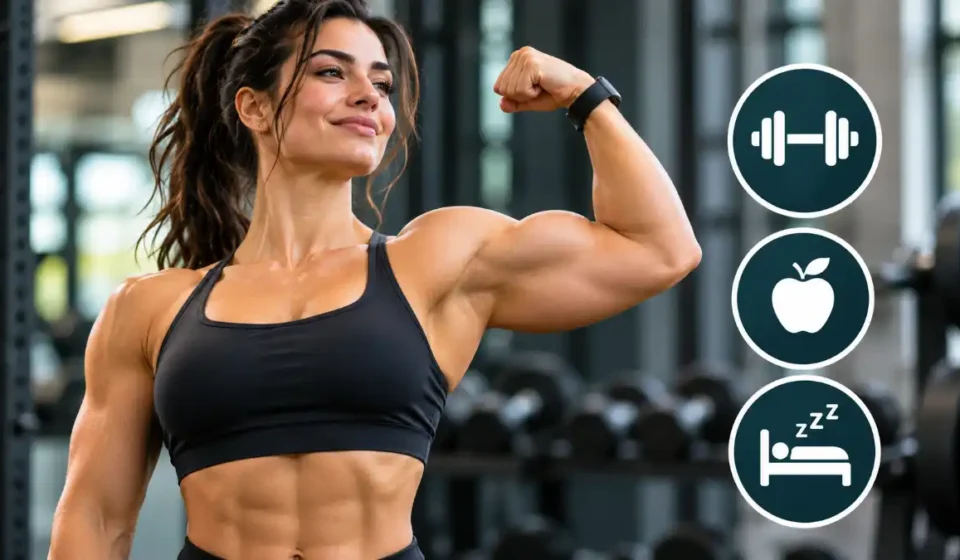
Muscle mommies often have well-developed shoulders, toned arms, muscular backs, strong legs, and developed glutes. These characteristics can become more prominent when following regular resistance training.
However, there is no official ‘muscle mommy’ body type. Not having visible abs, or extremely low body fat, or being a certain weight or having excessively large muscles does not mean a woman cannot be informally referred to as a muscle mommy.
It is important to note that not having an obvious muscular appearance does not mean that someone is unable to lift heavy weights. Similarly, having obvious muscle may not relate to someone’s ability to lift heavy weights.
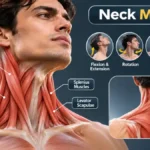
Muscle development will vary depending on genetics, experience, amount of muscle, and body composition. Knowing which muscles are present in the human body from a diagram may help to understand which muscles are working during strength training.
Both people who enjoy going to the gym recreationally and competitive bodybuilders can be referred to as muscle mommies. However, these people do not have to identify as such.
Muscle mommy, gym girl, and female bodybuilder
Although these terms are sometimes used interchangeably, they don’t mean the same thing. The terms relate to slightly different aspects of fitness, appearance, and identities.
| Term | Meaning | Key difference |
| Muscle mommy | Informal term for females with muscular/ strong looking bodies. | Focuses on appearance and online culture. |
| Gym girl | Females who regularly participate in gym activities. | Does not imply visible musculature. |
| Bodybuilder (female) | Females who bodybuild. | Focuses on developing a muscular physique. |
| Powerlifter | Athletes who train or compete in squats, bench presses, and deadlifts. | Focuses on lifting performance. |
| Fit mum | Mothers who participate in fitness. | Includes motherhood in the title. |
It is possible to be both a muscle mommy and a powerlifter; however, these terms are not interchangeable. Unlike classifications in competitive sports, there are no official criteria to be considered a muscle mommy.
How to become a muscle mommy
To develop a stronger/muscular physique, resistance training is a great activity to do. To begin to see progress in building muscle, you do not need any advanced bodybuilding programmes, expensive equipment, or supplements.
Building muscle can be done by regularly training, increasing intensity gradually in training, eating enough to match the exercise, and allowing time for recovery. Gradually increasing training (progressive training) is a recommended way to improve muscular strength and mass (American College of Sports Medicine).
PubMed
Beginner muscle mommy workout
Performing a workout 3 times per week can allow you to work on major muscle groups. Ensure that you allow recovery days in between.
| Day | Exercises | Sets x Reps |
| Monday | Squats, Dumbbell Rows, Chest Presses | 2-3 x 8-12 |
| Wednesday | Romanian deadlifts, Shoulder Presses, Lat Pulldown | 2-3 x 8-12 |
| Friday | Lunges, Hip Thrusts, Push-ups | 2-3 x 8-12 |
Start with weights that you are comfortable with in order to perform the exercises with correct form. If you are new to weight training, performing 2 sets may be sufficient. However, as you gain strength and confidence in training, increase the workload.
This is just one example and is not a scientifically defined muscle mommy workout. Adjust exercises depending on your level of experience, equipment available, mobility, and goals. Generally, to improve general health, it is recommended that muscle strengthening exercises that work all major muscles be performed at least 2 days a week (CDC).
CDC
Progressive overload is important in training. This means increasing the difficulty of your training. This could include increasing the number of reps, increasing weight slightly, or increasing volume of training. Once the current routine is becoming easy, try increasing one of these.
Training for maximal strength usually includes lifting larger weights and a smaller number of reps. To increase muscle mass (hypertrophy), a wider range of rep ranges can be used, provided enough stimulus is applied to muscles.
Nutrition and recovery
In order for muscles to strengthen and adapt to training, appropriate nutrition and recovery are important.
Protein intake is very important to allow muscles to be repaired and built. Many healthy and active adults aim to consume 1.4- 2.0 g of protein per kg of body weight per day to support muscle gain.
This falls in line with recommendations from the International Society of Sports Nutrition.
PubMed Central (PMC)
Protein can be found in many common foods, including eggs, fish, chicken, Greek yoghurt, tofu, beans, and lentils. Consuming an adequate amount of calories overall, as well as a balanced diet, and getting adequate sleep, is also important.
Muscle growth will not occur immediately. Progress will depend on many individual factors,s including genetics, previous training, nutrition, recovery, and consistency. Rather than aiming for a certain look in a short amount of time, focus on improving form, strength, and long-term progress.
Muscle mommies, confidence in bodies and respectful terminology
Some females may be proud to be known as muscle mommies. It can be empowering for them to defy traditional expectations that women shouldn’t build noticeable amounts of muscle.
However, some people may not like being referred to as muscle mommies. Some people may feel that it is sexualising, and that attention is being placed on their looks, rather than their sporting achievement.
Both opinions are valid. Not all muscular females will feel the same way. It is possible for someone to enjoy weight lifting, gain great strength, and be proud of their body, without identifying with any online fitness identity.
Ultimately, it is more important to be respectful towards how a person identifies themselves.
Frequently Asked Questions
What does muscle mommy mean?
Muscle mommy is internet slang for a woman with a noticeably muscular, strong, or athletic physique. It’s commonly associated with weightlifting, bodybuilding, and online fitness culture.
Is muscle mommy a compliment?
Yes, it can be. People often use it to admire a woman’s muscular physique or strength. However, some women find the term uncomfortable or objectifying, so the context and the person’s preferences matter.
Does a muscle mommy have to be a mother?
No. The word “mommy” is used playfully as part of the slang expression. It doesn’t refer to whether the woman has children.
Why is the muscle mommy trend popular?
The trend has spread through fitness videos, gym communities, and social media memes. It also reflects growing interest in women’s strength training, muscular physiques, and body confidence.
How can you become a muscle mommy?
Start with regular resistance training, gradually increase the challenge, eat enough protein, and prioritize recovery. Developing muscle takes consistency, but there’s no specific body shape or strength level you must achieve to use the label.