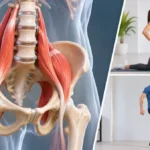

An intercostal muscle strain happens when one or more muscles between the ribs are overstretched or torn. It usually causes sharp or aching pain along the rib cage, especially when taking a deep breath, coughing, twisting, or moving the upper body. Heavy lifting, sudden movements, repetitive exercise, and forceful coughing are common triggers. Most uncomplicated strains improve with activity modification, appropriate pain relief, and gentle movement, although healing often takes several weeks.
Chest pain isn’t always caused by a pulled muscle. Rib fractures, lung conditions, and certain heart problems can produce similar symptoms. Because the causes range from minor injuries to serious medical emergencies, new or unexplained chest pain should be medically assessed, particularly when breathing difficulties or other warning signs are present.
Intercostal Muscle Strain Symptoms
The intercostal muscles run between the ribs, helping stabilize the chest wall and move the rib cage during breathing. They have three layers: external, internal, and innermost intercostal muscles. When these muscles are strained, even everyday activities can hurt because breathing and upper-body movements place stress on the injured area.
Common intercostal muscle strain symptoms include:
- Sharp or aching rib pain: Pain concentrated in one area of the rib cage that becomes more noticeable with movement or breathing.
- Tenderness: Soreness when touching or pressing the affected area.
- Muscle tightness or spasms: A pulling, cramping, or tightening sensation between the ribs.
- Mild swelling: Some people notice slight swelling around the injured area.
- Pain with movement: Discomfort when bending, twisting, reaching overhead, or lifting objects.
- Pain during breathing: Increased soreness when taking a deep breath, coughing, sneezing, or laughing.
Symptoms can range from mild soreness to pain that makes movement difficult. Although these signs are consistent with an intercostal muscle injury, they aren’t enough to confirm the diagnosis.
As explained in clinical guidance on intercostal muscle strain symptoms and relief, chest pain should be evaluated carefully because other conditions may cause similar discomfort.
What Causes an Intercostal Muscle Strain?
An intercostal muscle can become strained when the chest wall moves suddenly, experiences excessive force, or is repeatedly stressed during physical activity.
Common intercostal muscle strain causes include:
- Forceful coughing: Frequent or intense coughing can repeatedly strain the muscles between the ribs.
- Heavy lifting: Carrying or lifting heavy objects, especially while twisting the torso.
- Sports activities: Repeated rotational movements during golf, tennis, rowing, and similar activities.
- Sudden movements: Quickly turning, stretching too far, or reaching awkwardly.
- Direct injuries: Falls, collisions, or blows to the chest.
- Exercise overload: Increasing training intensity or workload before the muscles have adapted.
Muscle fatigue, poor conditioning, and repeated physical strain may also make injuries more likely. However, rib pain without an obvious injury shouldn’t automatically be assumed to come from a strained muscle.
Intercostal Muscle Strain vs. Rib Fracture and Other Chest Pain
A pulled intercostal muscle can feel similar to a broken rib or other conditions affecting the chest. The location and intensity of pain alone usually can’t distinguish these problems.
| Condition | Common symptoms or clues |
| Intercostal muscle strain | Localized pain after twisting, lifting, exercising, or coughing; tenderness and discomfort with movement |
| Rib fracture | Pain focused over a rib, often after an impact or severe coughing; discomfort with breathing and sometimes bruising |
| Costochondritis | Tenderness around the cartilage connecting the ribs to the breastbone |
| Pleuritic chest pain | Sharp pain that worsens with breathing or coughing, sometimes associated with lung or pleural conditions |
These conditions share several symptoms. For example, costochondritis may cause sharp chest pain that worsens with movement, deep breathing, or pressure on the chest.
Importantly, pain that increases when you press the chest doesn’t reliably rule out heart or lung problems.
How Is an Intercostal Muscle Strain Diagnosed?
A healthcare professional will usually ask when the pain started, whether you’ve recently exercised or injured your chest, and what makes the discomfort better or worse. They’ll also review your medical history and any breathing-related symptoms.
During the physical examination, they may check for localized tenderness, observe chest wall movement, and assess your breathing.
Imaging isn’t always needed for an uncomplicated muscle strain. However, a clinician may recommend a chest X-ray or other tests if a rib fracture, lung problem, or another condition is suspected. Standard X-rays cannot directly confirm a muscle strain.
Intercostal Muscle Strain Treatment and Pain Relief
Once more serious causes of chest pain have been ruled out, most uncomplicated intercostal strains can be managed with conservative treatment. The goal is to ease discomfort while allowing the injured muscles to recover without unnecessarily limiting breathing or everyday movement.
Rest, Ice, Heat, and Pain Medication
- Relative rest: Take a temporary break from heavy lifting, intense exercise, and movements that increase pain. You generally don’t need to stop all activity.
- Ice: Hold a cold pack wrapped in a towel against the painful area for about 10–15 minutes at a time during the early injury period.
- Heat: Gentle warmth may help relax tight muscles later in recovery. Avoid excessive heat or placing heating devices directly against your skin.
- Pain medication: Acetaminophen (Tylenol) or a nonsteroidal anti-inflammatory drug (NSAID), such as ibuprofen (Advil or Motrin), may help relieve discomfort when medically appropriate.
NSAIDs aren’t suitable for everyone, particularly people with kidney disease, stomach ulcers, bleeding risks, or those taking blood thinners.
Acetaminophen also requires care. Taking too much or combining several medications containing acetaminophen can cause serious liver damage. Follow the medication’s label and seek professional advice if you have liver disease or take other medicines. Additional precautions are explained in the acetaminophen medication safety information.
If you’re pregnant, speak with your healthcare professional before taking OTC pain medication. In particular, NSAIDs should generally be avoided from 20 weeks of pregnancy onward unless specifically recommended by a healthcare professional.
Breathing, Sleeping, and Gentle Movement
Although deep breathing may be uncomfortable, deliberately taking shallow breaths throughout the day isn’t a good recovery strategy. Continue breathing normally and take occasional slow, comfortable deep breaths to help keep your lungs expanded.
If coughing hurts, gently holding a pillow against the painful area may provide support.
Sleeping with your upper body slightly elevated or in a position that doesn’t put pressure on the injured side may make resting easier. Light walking is also generally reasonable as long as it doesn’t aggravate your symptoms.
Guidance for recovering from chest wall injuries similarly emphasizes comfortable breathing, gentle movement, and avoiding activities that worsen pain.
Avoid tightly wrapping your chest, stretching aggressively, or massaging the injured area if it causes discomfort. If pain persists or movement remains limited, a healthcare professional may recommend physical therapy or gentle mobility exercises.
Intercostal Muscle Strain Healing Time and Recovery
Intercostal muscle strain healing time depends on the severity of the injury, your overall health, and whether the muscles continue to experience stress. Many uncomplicated strains recover in approximately four to six weeks, although milder injuries may begin improving sooner.
General recovery expectations include:
- Mild strains: Pain and movement may improve noticeably within two to four weeks, although complete healing can take longer.
- Moderate strains: Recovery may require several weeks or longer, particularly when symptoms interfere with normal activity.
- Severe muscle tears: Healing and rehabilitation can take several months, depending on the extent of damage.
These timelines are estimates rather than guaranteed recovery periods. Feeling better doesn’t necessarily mean the injured muscle has completely healed.
When Can You Return to Exercise?
Begin with comfortable daily activities and short walks. As your pain decreases and movement becomes easier, gradually reintroduce mobility exercises, strengthening, and more demanding physical activity.
Don’t rush back into heavy lifting, forceful twisting, or contact sports while those movements still cause significant discomfort.
If your injury is severe, symptoms persist, or you’re preparing to return to demanding sports, a healthcare professional can help determine when it’s safe to resume training.
Repeated coughing, continued physical stress, and reinjury may slow recovery. Warming up appropriately, building strength and mobility, and increasing exercise demands gradually can help reduce avoidable muscle strain.
When to See a Doctor for Rib or Chest Pain
Pain between the ribs isn’t always caused by a muscle injury. Some serious heart and lung conditions can initially produce symptoms that resemble a chest wall strain.
Call 911 in the United States or your local emergency number if chest pain is accompanied by:
- Severe chest pressure, tightness, or crushing discomfort.
- Sudden or significant shortness of breath.
- Fainting, cold sweats, or severe dizziness.
- Pain spreading to the arm, jaw, or back.
- Coughing blood, particularly with chest pain or breathing difficulties.
- Significant chest trauma followed by worsening breathing problems.
Seek prompt medical evaluation for new or unexplained chest pain, persistent or worsening rib pain, fever, concerning cough symptoms, or pain that makes normal breathing difficult.
If your rib pain continues to worsen, hasn’t started improving after several days, or lasts beyond the expected recovery period, arrange a medical appointment. A clinician can check for other causes and determine whether additional treatment is necessary.
Read also: Intercostal Muscle Strain
Frequently Asked Questions
Can an intercostal muscle strain cause pain on only one side of the chest?
Yes. An intercostal muscle strain can cause localized pain on either the left or right side of the rib cage, depending on which muscles are injured. However, one-sided chest pain isn’t specific to a muscle strain. Lung conditions and other potentially serious problems can also cause pain on one side, so unexplained symptoms should be assessed.
Can intercostal muscle strain pain extend into the back?
Yes. Because the intercostal muscles extend around the chest wall, an injury may cause discomfort along the side of the ribs or toward the back. Pain can become more noticeable when twisting, reaching, or breathing deeply. However, back or chest pain alone doesn’t establish a muscle strain, particularly if it is sudden, severe, or accompanied by other concerning symptoms.