

The iliacus muscle is a broad, fan-shaped skeletal muscle located inside the pelvis, covering the iliac fossa on the inner surface of the hip bone. It works with the psoas major to form the iliopsoas, a powerful hip-flexor muscle complex that helps lift the thigh toward the body.
The iliacus plays an important role in walking, running, and climbing stairs. It also helps control hip positioning and stability during movements such as rising from a chair. Understanding where this muscle sits and how it works can help explain why problems involving the iliacus or nearby hip flexors sometimes cause pain in the front of the hip or groin.
Iliacus Muscle Location and Anatomy
The iliacus sits in the iliac fossa, a shallow depression on the inner surface of the ilium, the broad upper part of the pelvic bone. Its fibers run downward and gradually merge with the psoas major as both muscles approach the upper thigh.
Together, they form the iliopsoas complex, which attaches primarily to the lesser trochanter, a small bony projection near the top of the femur. This arrangement allows the muscles to work together during hip movement, even though they originate from different parts of the body. The anatomy of the iliacus muscle includes several important attachments and structures involved in its function.
Iliacus Muscle Anatomy at a Glance
| Anatomical Feature | Description |
| Location | Iliac fossa on the inner surface of the pelvis |
| Origin | Superior portion of the iliac fossa, inner iliac crest, and adjacent pelvic structures |
| Insertion | Primarily the lesser trochanter of the femur through the iliopsoas tendon |
| Innervation | Femoral nerve, mainly through L2–L3 contributions; the femoral nerve itself arises from L2–L4 |
| Blood supply | Branches of the iliolumbar, deep circumflex iliac, and neighboring pelvic and femoral arteries |
| Primary action | Hip flexion, bringing the thigh toward the trunk |
Although the iliacus and psoas major work closely together, they have different anatomical origins and nerve supplies.
What Does the Iliacus Muscle Do?
The iliacus muscle’s main function is hip flexion, which brings the thigh toward the abdomen or helps move the trunk toward the thigh. This movement takes place at the hip’s ball-and-socket joint, which allows the leg to move in several directions.
The iliacus contributes to several everyday activities:
- Walking: Helps bring the thigh forward during the swing phase of each step.
- Running: Supports the repeated hip-flexion movements needed to advance the leg.
- Climbing stairs: Helps lift the leg onto the next step.
- Rising from a chair: Assists with hip positioning and control, while the hip and knee extensors generate much of the force needed to stand.
- Hip stability: Works with other muscles to help control movement around the hip joint.
The iliacus doesn’t perform these actions alone. It works alongside other hip flexors, including the rectus femoris and sartorius, to coordinate movement.
Unlike the psoas major, the iliacus has no direct attachment to the lumbar vertebrae. Therefore, spinal movements associated with the psoas major should not be attributed to the iliacus independently.
Iliacus vs. Psoas Major vs. Iliopsoas
Although iliacus, psoas major, and iliopsoas are closely related anatomical terms, they don’t describe the same structure.
| Feature | Iliacus | Psoas Major | Iliopsoas |
| Location | Inner pelvis | Alongside lumbar spine | Combined hip-flexor complex |
| Origin | Iliac fossa and nearby pelvic structures | Lumbar vertebrae | Origins of both muscles |
| Insertion | Lesser trochanter region | Lesser trochanter | Shared distal attachment |
| Innervation | Femoral nerve | Direct branches of lumbar spinal nerves | Separate nerve supplies to its components |
| Function | Hip flexion | Hip flexion and lumbar movement | Powerful hip flexion |
The main difference is where each muscle begins: the iliacus originates in the pelvis, while the psoas major originates along the lumbar spine. Both contribute to the iliopsoas complex, but their separate attachments and nerve supplies explain why their functions aren’t identical.
Iliacus Muscle Pain: Symptoms and Possible Causes
Pain involving the iliacus or iliopsoas complex may develop after a sudden injury, strenuous exercise, or repeated hip-flexion movements. However, discomfort in this area doesn’t automatically mean the iliacus is injured.
Possible symptoms include:
- Aching or pain in the front of the hip or groin.
- Discomfort when lifting the knee or climbing stairs.
- Pain when trying to flex the hip against resistance.
- Stiffness after sitting for a long period.
- Tenderness or weakness following a hip-flexor strain.
Common possibilities include muscle strains, repetitive overuse, iliopsoas tendinopathy, and inflammation of nearby bursae. Hip-flexor strains can also cause difficulty walking, climbing stairs, or performing other activities that require lifting the leg.
Sitting for long periods keeps the hips in a flexed position, which may leave some people feeling stiff when they stand up. That sensation, however, doesn’t necessarily mean the iliacus has become permanently shortened.
It’s also important to consider other causes of hip or groin discomfort. Problems involving the hip joint, lumbar spine, nerves, or abdominal and pelvic structures can produce similar symptoms. Pain location alone isn’t enough to identify an iliacus injury.
How Is Iliacus-Related Pain Assessed and Treated?
A healthcare professional will usually ask when the pain began, which activities aggravate it, and whether there was a recent injury. The examination may include checking hip movement, muscle strength, tenderness, and discomfort during resisted hip flexion.
If the findings suggest a fracture, substantial soft-tissue injury, or another underlying condition, imaging such as X-rays, ultrasound, or MRI may be appropriate.
For uncomplicated muscle injuries, treatment often begins with reducing activities that aggravate symptoms. As discomfort improves, gentle movement and gradual strengthening can help restore function. The management of hip strains generally emphasizes appropriate activity modification and rehabilitation, with physical therapy available when additional guidance is needed.
Seek urgent medical assessment if you develop sudden severe hip pain, cannot bear weight, experience significant trauma, or have fever with a painful or swollen hip. New numbness or weakness also warrants prompt evaluation, particularly following an injury. These warning signs may indicate a condition that needs more than routine muscle-strain treatment.
Recovery depends on what’s causing the symptoms, how severe the injury is, and how the individual responds to treatment. There is no single healing timeline that applies to every iliacus-related problem.
Iliacus Muscle Stretches and Strengthening Exercises
Gentle stretching and strengthening exercises can help maintain hip-flexor mobility and improve muscular control. These movements work the iliopsoas and surrounding hip muscles rather than isolating the iliacus.
Move slowly, stay within a comfortable range, and avoid forcing a stretch. If you suspect an injury, consult a healthcare professional before beginning new exercises.
1. Half-Kneeling Hip-Flexor Stretch
This stretch targets the hip flexors of the leg positioned behind you.
- Kneel on one knee, placing your opposite foot flat on the floor in front.
- Keep your upper body upright and gently tilt your pelvis backward.
- Move your hips slightly forward without arching your lower back.
- Hold the position briefly, maintaining a gentle, comfortable stretch.
- Return to the starting position and switch sides.
Place a folded towel or cushion beneath your knee if needed. You should feel a mild stretch near the front of the hip, not sharp or pinching pain.
2. Supine Marching
Supine marching helps train controlled hip flexion while keeping the pelvis relatively stable.
- Lie on your back with both knees bent and your feet resting on the floor.
- Gently engage your abdominal muscles and keep your pelvis steady.
- Slowly lift one foot a short distance off the floor.
- Lower it with control, then repeat with the opposite leg.
Keep your movements smooth and avoid rocking your pelvis or lifting your knees unnecessarily high.
3. Standing Hip Flexion
Standing hip flexion strengthens the muscles responsible for lifting the thigh and can help improve control during everyday movement.
- Stand upright beside a sturdy chair or counter for balance.
- Slowly raise one knee toward your waist, staying within a comfortable range.
- Keep your torso steady rather than leaning backward.
- Lower your foot gradually, then repeat with the other leg.
As strength and control improve, a physical therapist may recommend additional resistance or more challenging variations.
If hip or groin pain persists, worsens, or returns whenever you exercise, seek professional guidance. Physical therapy for iliopsoas-related problems can help determine which movements are appropriate for your symptoms and recovery needs. Avoid aggressive stretching or attempting to release the iliacus through deep abdominal pressure.
Frequently Asked Questions
Can the iliopsoas cause a snapping sensation in the hip?
Yes. The iliopsoas tendon can sometimes move over nearby structures during hip movement, producing a snapping or clicking sensation. This is often called internal snapping hip. Painless snapping may not require treatment, but snapping accompanied by persistent pain, weakness, or restricted movement should be evaluated by a healthcare professional.
Can an X-ray detect an iliacus muscle injury?
An X-ray generally cannot show a muscle strain directly because it primarily displays bones. However, it may help identify fractures or other bone-related conditions that cause similar symptoms. When a significant iliacus or iliopsoas soft-tissue injury is suspected, a healthcare professional may consider ultrasound or MRI, depending on the examination findings.

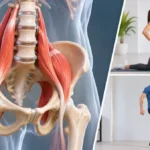
[…] much of the iliac fossa, the broad, curved depression on the inner surface of the pelvic bone. The iliacus muscle works closely with the psoas major to flex the […]