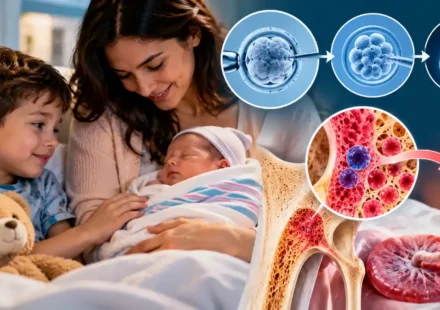
What Is a Bone Marrow Baby? Understanding Savior Siblings

A bone marrow baby is an informal term for a child conceived through in vitro fertilization (IVF) and embryo testing so they may be able to donate compatible stem cells to a seriously ill sibling. The child is commonly called a savior sibling. This…
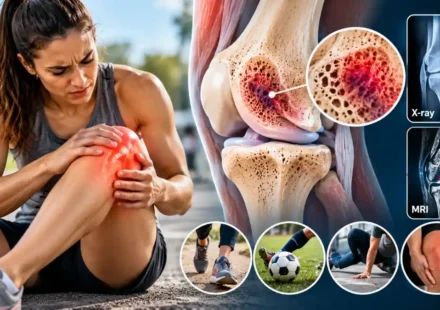
Bone Bruise: Symptoms, Treatment, and Recovery Time
A bone bruise, also called a bone contusion, is an injury that damages bone tissue and causes bleeding and swelling within or around the bone. Unlike a fracture, a bone bruise does not involve a break in the bone, although both injuries can occur…
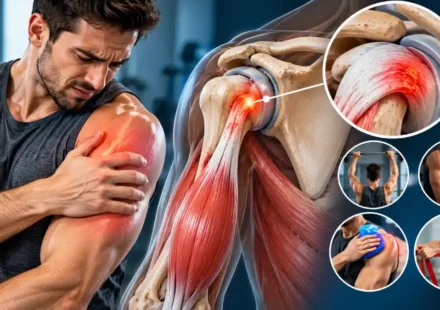
Bicep Tendonitis: Symptoms, Causes, Treatment, and Recovery
Biceps tendonitis is irritation or inflammation of a tendon that connects the biceps muscle to bone. It commonly causes pain and tenderness at the front of the shoulder or near the elbow, especially during lifting, overhead movements, elbow bending, or…
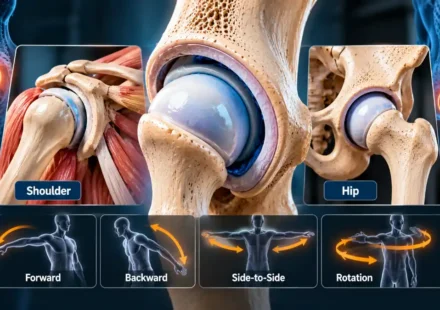
What Is a Ball Joint? Anatomy, Function, and Examples in the Human Body
A ball joint, also called a ball-and-socket joint, is a type of synovial joint in which the rounded head of one bone fits into a socket in another bone. This arrangement allows movement in multiple directions, including bending, straightening, rotation,…
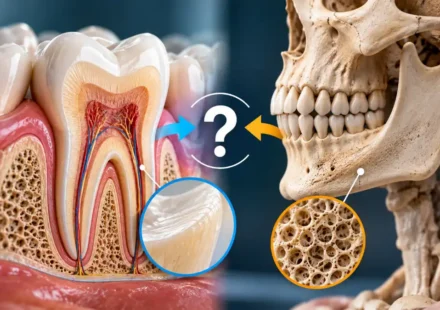
Are Teeth Bones? Key Differences Explained
No, teeth are not bones. Although both contain calcium and phosphate minerals that make them hard, they differ in structure, function, and ability to repair themselves. Teeth consist of four main tissues: enamel, dentin, cementum, and dental pulp. Bones…
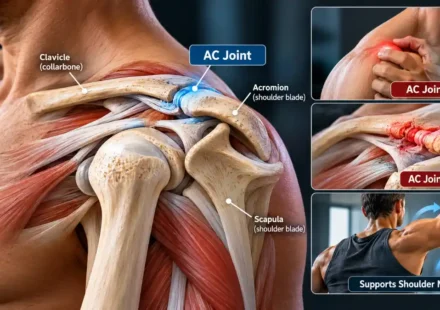
AC Joint: Anatomy, Location, Function and Injuries
The acromioclavicular (AC) joint connects the acromion, a bony projection of the shoulder blade, to the outer end of the clavicle, or collarbone. It sits at the top of the shoulder and helps keep the shoulder girdle stable while allowing small…
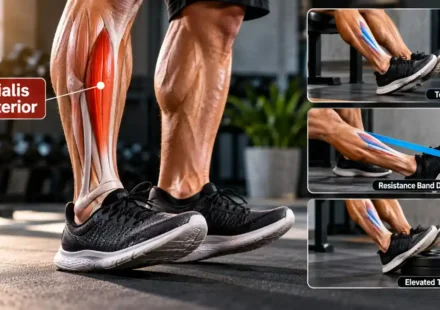
Tibialis Anterior: Anatomy, Location, Function, and Common Problems
The tibialis anterior is a muscle in the front of the lower leg, running alongside the shinbone (tibia). Its two main actions are ankle dorsiflexion, which lifts the front of the foot toward the shin, and foot inversion, which turns the sole inward.…

Sartorius Muscle Anatomy: Origin, Insertion, Actions, Innervation, and Clinical Relevance
The sartorius muscle is a long, superficial muscle of the anterior thigh that crosses both the hip and knee. It begins at the anterior superior iliac spine (ASIS), travels diagonally across the thigh, and attaches to the medial proximal tibia as part of…

Phalanges: Complete Anatomy of the Finger and Toe Bones
What Are Phalanges? Phalanges are the small bones that form the fingers and toes. The singular form is phalanx, while phalanges is the plural. They are part of the appendicular skeleton and sit beyond the metacarpal bones in the hand and the metatarsal…

Semimembranosus Muscle: Anatomy, Function, Origin, Insertion, and Injuries
The semimembranosus is one of the three principal hamstring muscles in the posterior thigh. It sits on the medial side of the hamstring group and extends from the ischial tuberosity toward the posteromedial proximal tibia. Unlike a simple muscle with one…